Land development is often misunderstood as a short-term real estate play. In reality, it is a long-horizon investment strategy where value is created through planning, patience, and disciplined execution. Unlike traditional income-producing real estate, land development derives its returns from transformation rather than immediate cash flow.Investor education is essential in this space. Understanding how value…
Land Development Is Not Passive Investing
One of the most common misconceptions is that land development functions like buying a rental property or a dividend-paying asset. It does not.
Land development is an active value-creation process that typically includes:
- Land acquisition and feasibility analysis
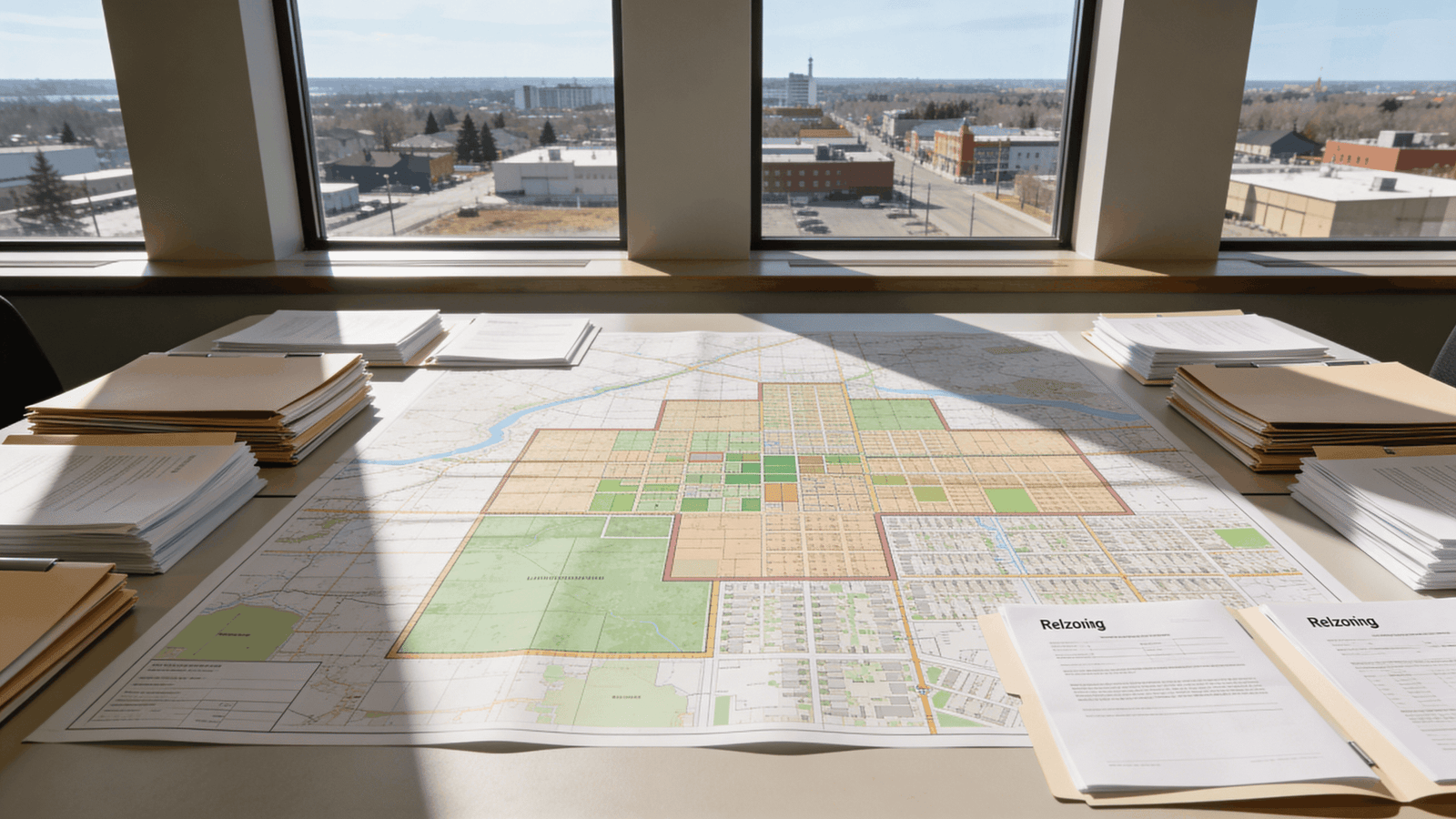
- Zoning and entitlement work
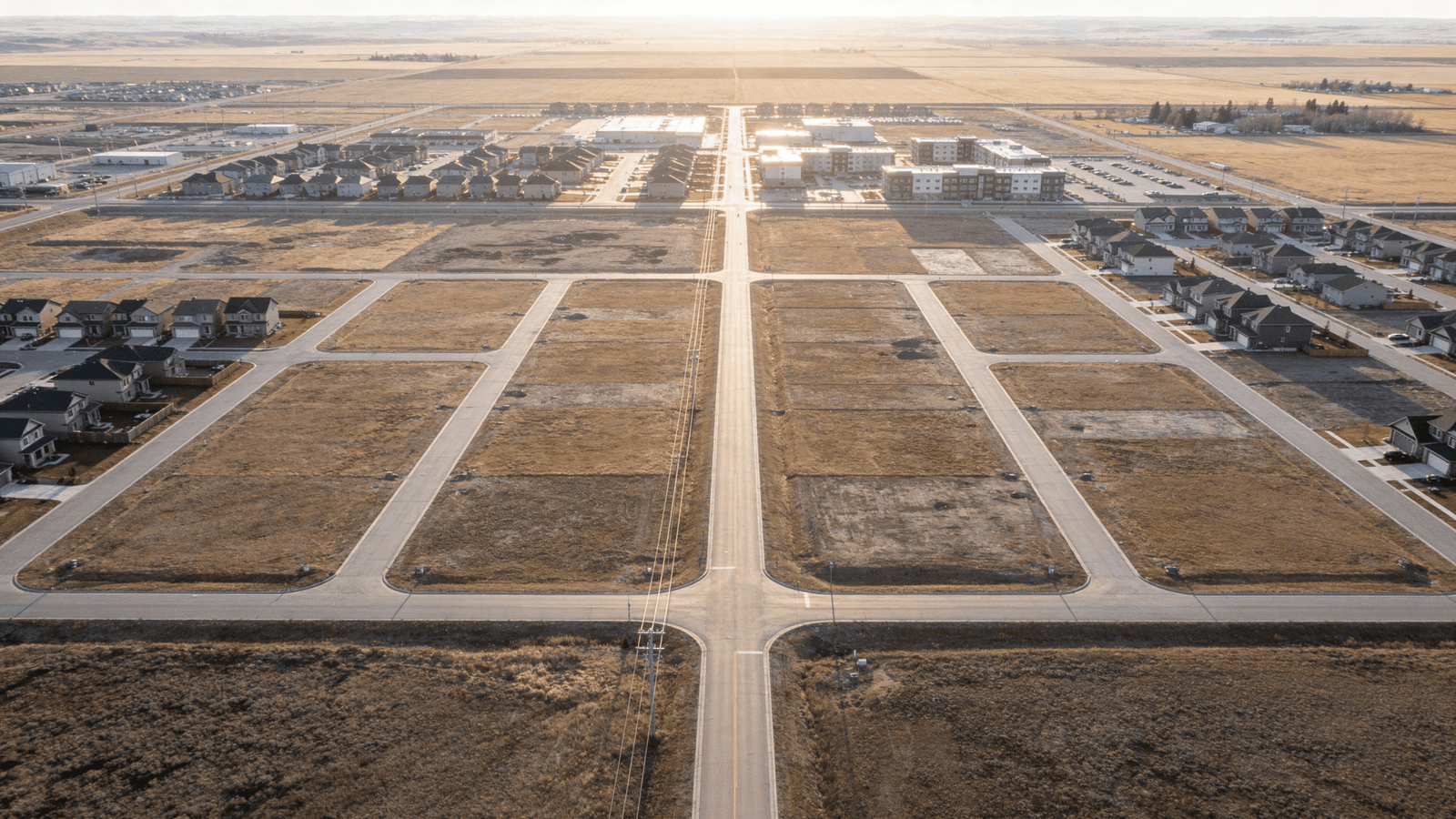
- Servicing and infrastructure planning
- Coordination with municipalities and consultants
- Preparing sites for future construction or disposition
Returns are generated not through monthly income, but through the increase in land value once development milestones are achieved.
Understanding the Development Timeline
Time is one of the most important variables in land development investing. Projects move through defined stages, each with its own risk profile and capital requirements.
A simplified timeline often includes:
- Acquisition and Due DiligenceThis phase focuses on feasibility, market alignment, and regulatory review.
- Planning and ApprovalsZoning, density, servicing capacity, and municipal alignment are addressed.
- Site Preparation and ServicingInfrastructure planning and execution move the land closer to build-ready status.
- Disposition or Vertical DevelopmentLand may be sold, partnered, or advanced into the next phase of development.
Understanding where a project sits in this timeline is critical to evaluating both risk and return expectations.
Risk in Land Development Is Front-Loaded
Unlike stabilized real estate, land development carries the majority of its risk at the beginning of the project lifecycle. Early-stage decisions have an outsized impact on long-term outcomes.
Key risk areas include:
Regulatory and Approval Risk
Zoning constraints, policy changes, and approval timelines can affect project viability.
Market Alignment Risk
Projects must reflect real housing or infrastructure needs rather than speculative demand.
Servicing and Infrastructure Risk
Access to utilities, roads, and municipal capacity directly impacts feasibility and cost.
Capital Timing Risk
Development capital is deployed before value is realized, requiring patience and proper structuring.
Effective land development mitigates these risks through thorough analysis and conservative planning.
What Drives Value in Early-Stage Development
Value in land development is created through certainty. Each resolved uncertainty increases the land’s attractiveness to future developers, builders, or long-term holders.
Value drivers often include:
- Clear zoning and density approvals
- Confirmed servicing capacity
- Alignment with municipal growth plans
- Market-supported project scope
- Reduced entitlement risk
When uncertainty is removed, land transitions from speculative to strategic.
The Role of Purpose-Built Rentals in Investor Strategy
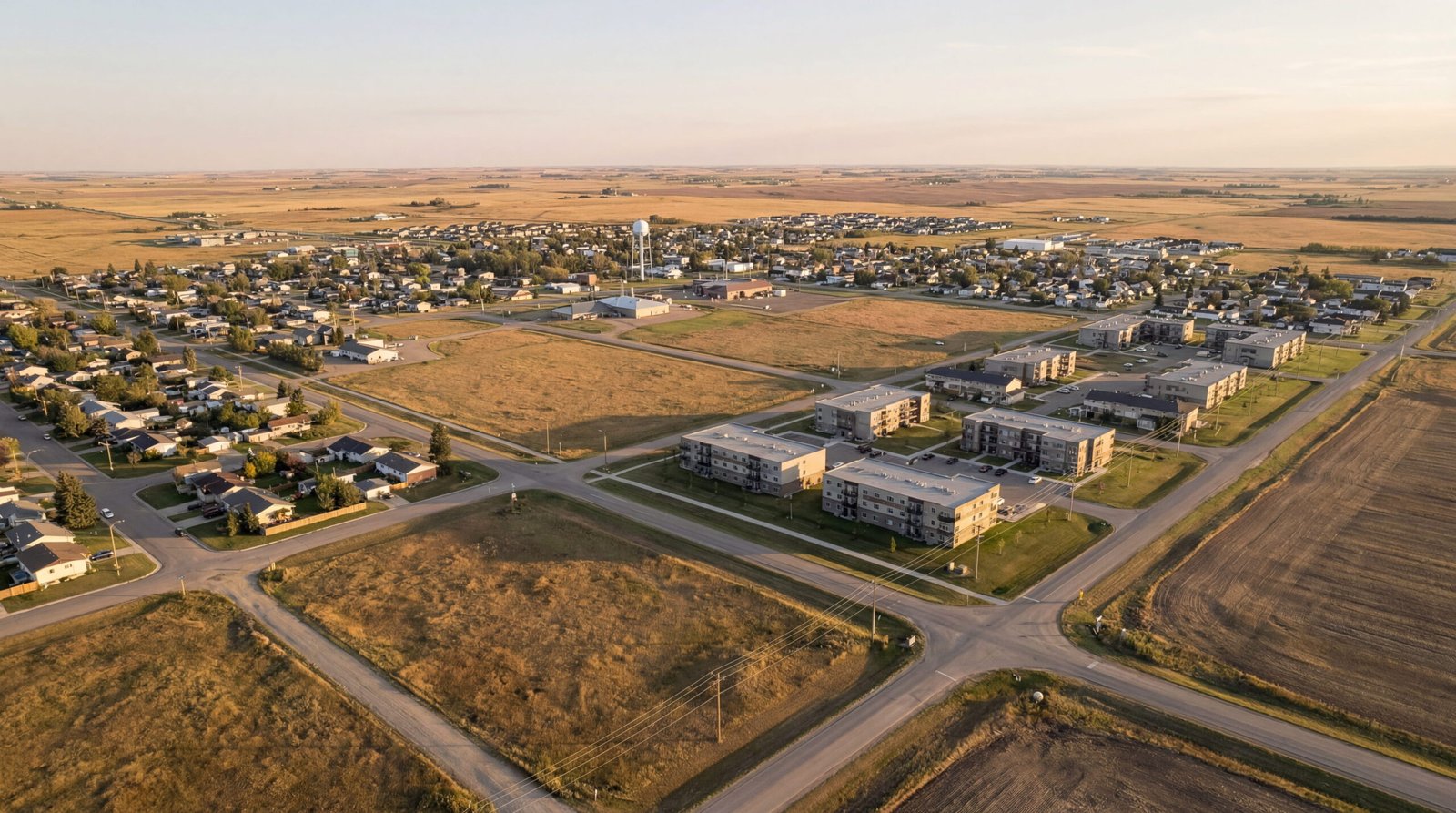
Purpose-built rental developments have become a focal point in many Alberta markets due to structural housing demand and limited supply.
From an investor perspective, these projects offer:
- Long-term relevance tied to housing fundamentals
- Alignment with municipal affordability and workforce goals
- Reduced reliance on short-term market cycles
- Opportunities for partnership or phased development
Early-stage land development that supports purpose-built rentals often benefits from strong municipal alignment and long-term demand visibility.
Patience as a Competitive Advantage
Land development rewards investors who understand that value creation takes time. Unlike fast-turn real estate strategies, development projects require discipline and long-term perspective.
Investors who approach land development with realistic timelines and expectations are better positioned to:
- Navigate regulatory processes
- Withstand market fluctuations
- Capture meaningful upside when projects mature
Patience is not a weakness in development. It is a strategic advantage.
Educated Capital Builds Better Projects
Successful development outcomes are the result of alignment between experienced developers and informed investors. When investors understand the process, risk profile, and timeline, projects benefit from stronger decision-making and long-term vision.
At Badlands Development, we believe investor education is not about promoting deals. It is about creating clarity. Clear expectations lead to better partnerships, better projects, and more sustainable community outcomes.